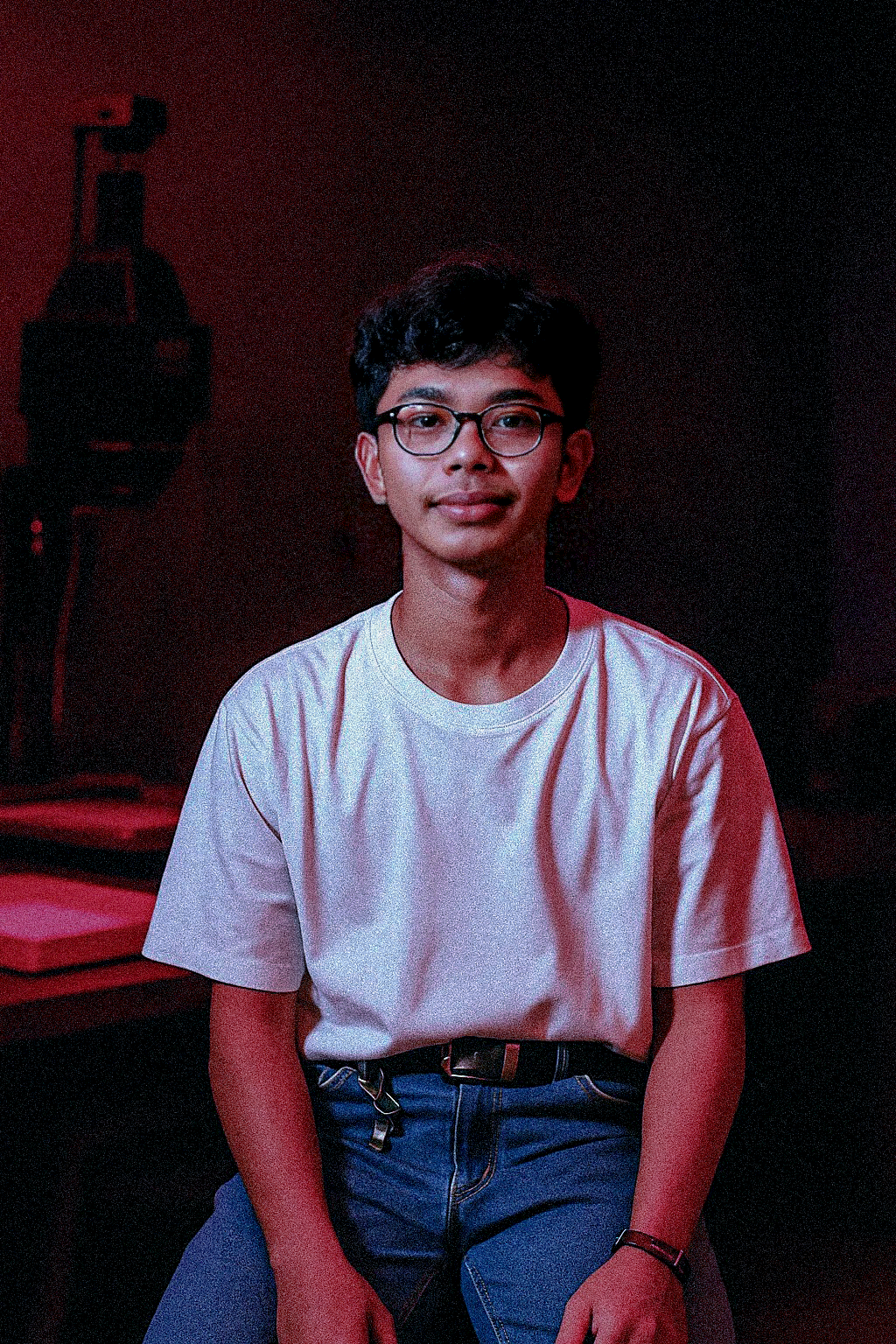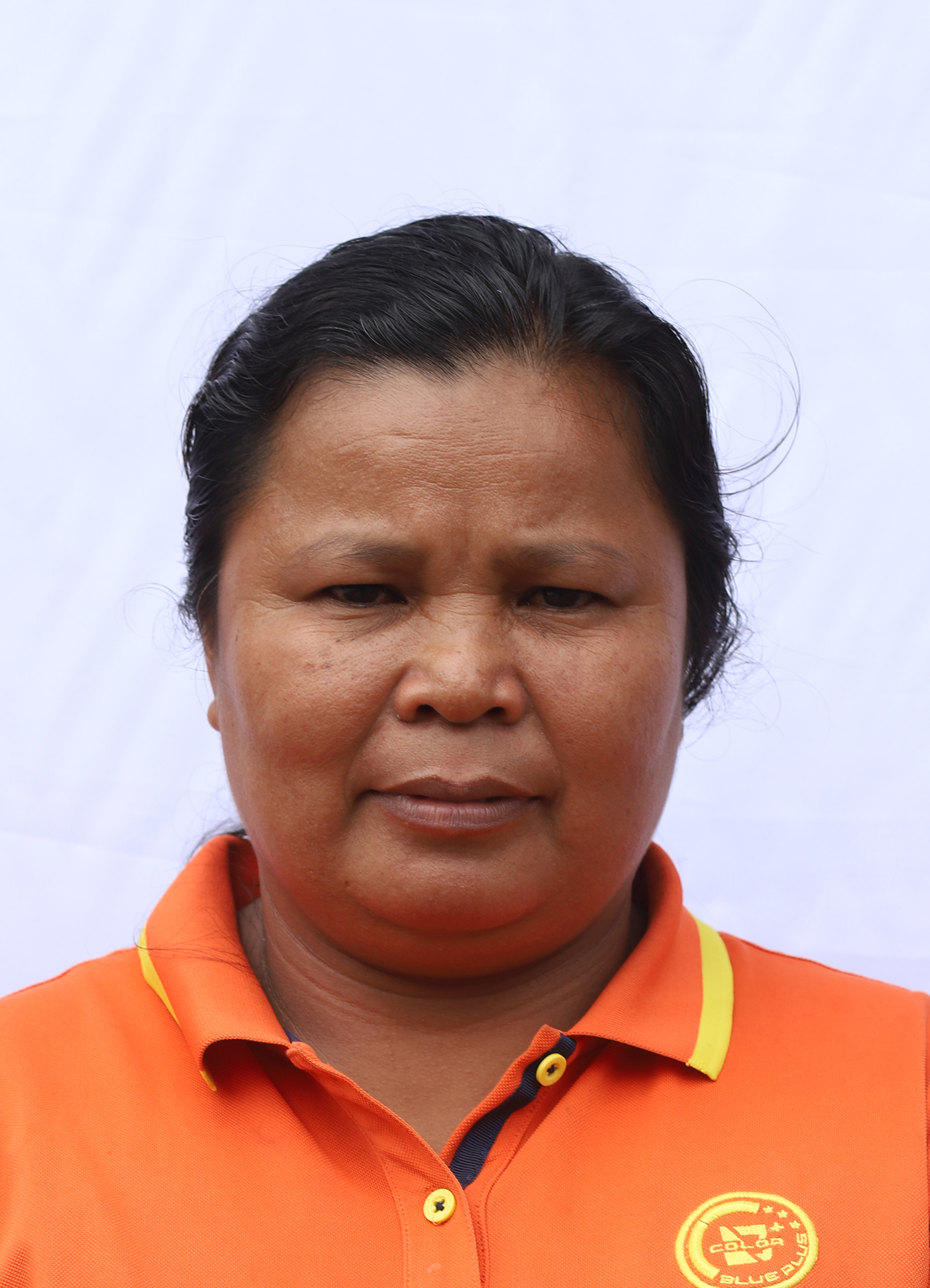
About the collective

Kultura Collectiva as a way of reading the culture together.

Kultura Collectiva is an artists collective based in Yogyakarta, Indonesia since 2020 and founded by Dias Prabu, who is a visual artist, muralist, drawing batik artist. At the beginning, Kultura Collectiva was a personal art project worked on by Dias Prabu called Kultura Project from 2017. This project was focused on painting and mural production programs based on maritime culture and narratives around Indonesian ocean which had a long history of spice trading and diverse traditions such as around the Natuna Islands, Selayar Islands, Aceh and Kalimantan. Then, Prabu decided to opened and expand the Kultura Project networks through collaborative platform and multidisciplinary art-form programs in 2020 then named it as Kultura Collectiva.

Kultura Collectiva is combining diverse of elements of arts, culture, traditions, naratives, including socio-historical context based on Indonesian Archipelago/Nusantara within contemporary art approaches. The essential part of this collective is being active to push the boundaries of to create an immersive, site-specific, participatory art works through collaborative approach with diverse arts disciplines like photography, film-making, performing art, music, fashion, or even craft. Moreover, Kultura Collectiva are also working with the local artists including with the researchers, formal and informail institutions, students and communities in Indonesia and overseas through site-specific, workshops, open-studio, masterclass, field-research, whatever knowledge-sharing-based project locally and globally.

Working Process

There are three stages in the working process of how Kultura Collectiva make their works:

Stage One: Conduct research on local history. Locate and identify historical photographs. Read through historical accounts and materials such as literatures, books, websites and journals. Create a timeline of significant events. Speak with local historians and with local youth to gain different perspectives on local histories. Collate stories and images that can be interpreted through hand-drawn batik works, music collaborations, performace arts, murals, film, fine art and documentary photography.

Stage Two: A collaborative project from different art disciplines such as batik works with performance art, mural works with video art, photography with documentary film and ethnic music compositions with EDM music or even contemporary batik with the fashion project. The aim of this collaborations is to find a different perspective of how to make a variation, possibility, experimentations, re-imagination and re- interpretation.

Stage Three: Create the artworks then exhibit it into an art exhibition, art show, art workshops, art teaching, site- specific works and collaboration, etc. Kultura Collectiva always improves every project to get maximum results that can connect the synergy of the three stages. As a collective art team that has been running for the past 4 years, Kultura Collectiva wants to continue providing art experiences to the community, students and the younger generation. The culture and traditions of the past that have been taught by our ancestors through our teachers in terms of art have also become a valuable lesson to remain in harmony with today's pop culture and for the future. Therefore, the historical foundations of past cultures from all of the world for us are like a land that should be preserved (through art). In the end, the continuity of life will always be balanced with art that still cares about culture, local wisdom and togetherness that can be enjoyed by all groups inclusively for the generations in the future. Below are examples of some of the works produced by Kultura Collectiva over the past 4 years. The works are produced in the form of solo exhibitions, collaborative art, educational art projects in the form of workshops and short classes, etc.

Our practice moves between three gestures: recording (seeing and listening), processing (editing, arranging, presenting), and responding (inviting new conversations). Projects tend to be born at the intersection of these gestures.

Core artists & collaborators

Dias Prabu
Visual art & installation

Dias Prabu (born 1987) is a multidisciplinary artist, painter, and muralist living and working in Yogyakarta, Indonesia. He completed his master's degree at the Indonesian Institute of the Arts in Yogyakarta in 2012 and rose to national prominence after winning a national mural competition initiated by the National Gallery of Indonesia in 2014 and becoming a finalist in various prestigious art competitions, including the UOB Painting of the Year in 2015. His artistic practice encompasses paintings, drawings, murals, installations, and batik drawing, exploring diverse materials such as acrylic paint, spray paint, textile dyes, charcoal, and found objects applied to fabric, canvas, and large-scale installations to convey visual complexity and narrative perspective.

His previous solo exhibition was held at Artspace Mackay, Queensland, Australia, and he was selected as one of the artists in the Indian Ocean Craft Triennial (IOTA24) in Perth, and completed the AiR Touch! Tokoname residency program in Tokoname, Aichi Prefecture, Japan. Dias is currently developing a new batik installation for a 2025 exhibition and preparing collaborative projects with his collective for a 2026 European tour, including in the Netherlands and Ireland, with a spirit of material exploration, interdisciplinary collaboration, and curiosity that continues to push the boundaries of his artistic practice.
Media: batik drawing, installation, objects, text.
Dewi Bukit
Photography & archives

Dewi Sartika Bukit is a photographer whose practice is rooted in location-based anthropological research, focusing on the Toba Batak ulos tradition in the Lake Toba region of North Sumatra. For a decade, she has worked intensively with female ulos weavers, using photography as a medium to record and interpret the relationships between the body, work, memory, and cultural heritage that are increasingly marginalized by industrial production. Her projects position ulos not merely as a visual object, but as a marker of life cycles, collective identity, and ancestral knowledge that live on in the community's daily lives. This approach is evident in her solo exhibition at Galeri Salihara, Jakarta (2022), and international recognition through an exhibition and workshop at The Australian Tapestry Workshop (ATW), Melbourne, in 2024.
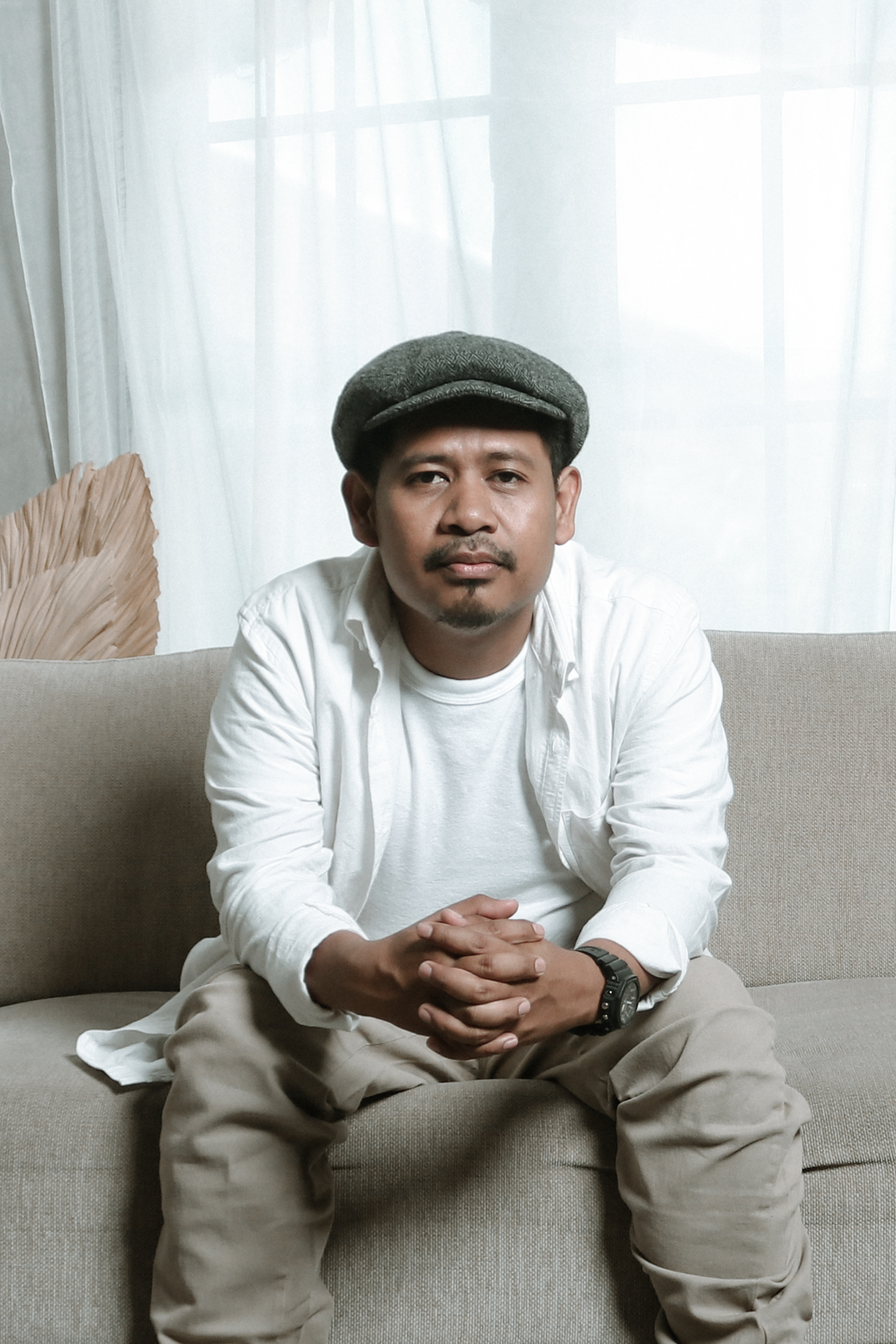
Media: photography, books, archives.
Jaeko Siena
Composer, Arrangger, Contemporary Musician

Jaeko Siena, was born in Bandar Lampung on June 7, 1989. He graduated from the Indonesian Institute of the Arts (ISI) Yogyakarta (2011–2016) with a degree in ethnomusicology, focusing on ethnic music creation. He works as a composer, arranger, and ethnic performer for both personal and commercial projects, with an artistic practice emphasizing the exploration of ethnic flute and ethnic percussion. In various interdisciplinary collaborations, Jaeko often serves as an ethnic music director. Outside of music, he has also developed a practice as a video maker, handling video clip production from shooting to editing, both for his own work and for clients.

Jaeko's career spans a wide range of national and international stages, with appearances at various festivals and arts forums in the United States, Australia, Japan, Saudi Arabia, Azerbaijan, Thailand, Malaysia, Singapore, Kazakhstan, and Indonesia. Domestically, he held the solo concert Samirana (2024), performed at Jazz Gunung Bromo and Indonesia Fashion Week, and was involved in various theater productions and arts festivals. He is widely recognized as the Ethnic Music Director for Alffy Rev's projects, including Wonderland Indonesia 1 and 2, as well as various commercial musical works and live performances. Jaeko also has experience as a talempong and suling session player with Dewa Budjana. Through music, he views tradition as a living, moving knowledge—not a static form—that can be reinterpreted to bridge the ethnic roots of the archipelago with global contexts and contemporary expressions.
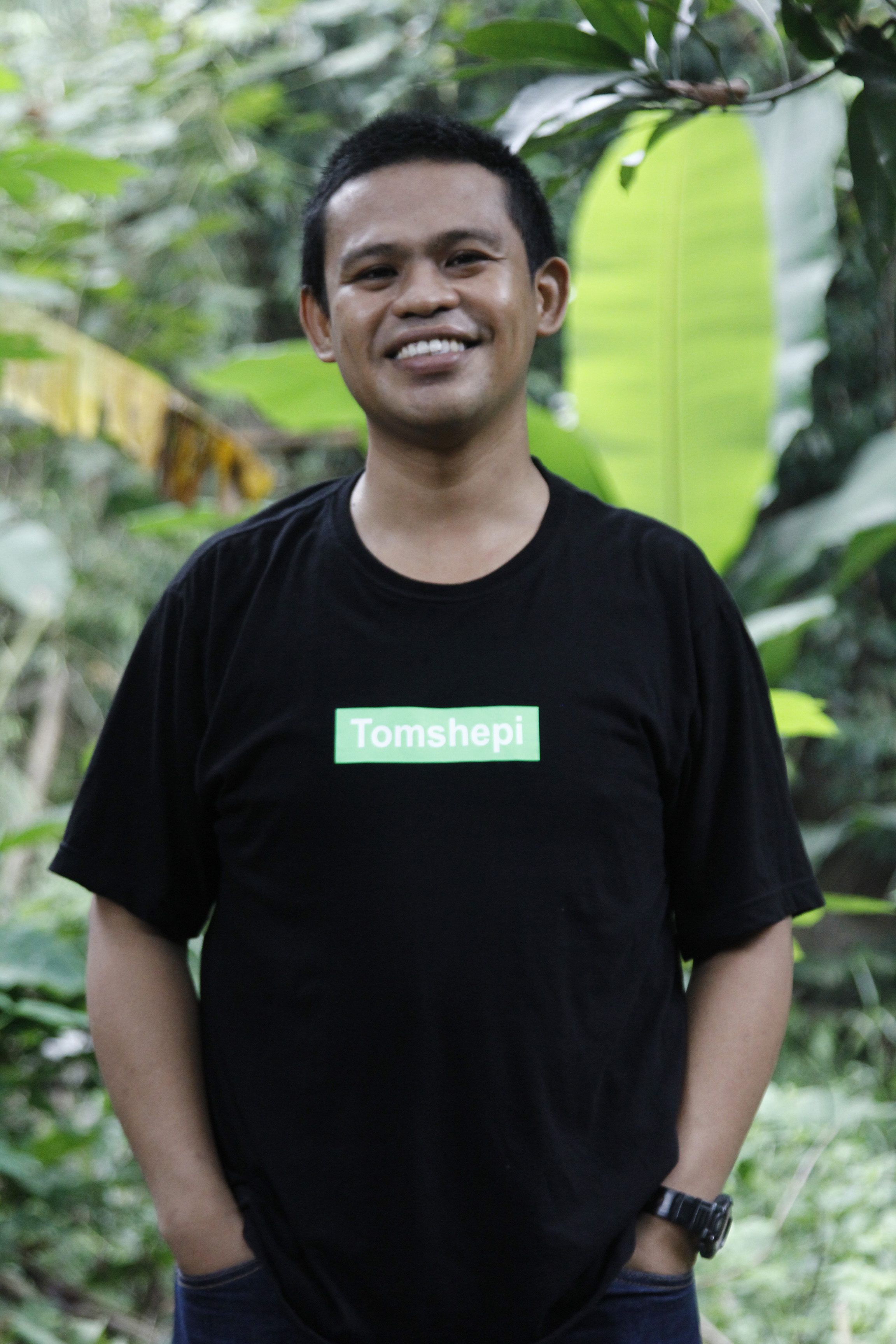
Media: soundscape, performance.
Andika Ananda
Actor

Born in Malang, Indonesia, on April 24, 1985, the artist is a theater actor and community arts facilitator currently based in Yogyakarta. He began his artistic journey in 2002 in Bali, where he explored poetry writing and theatrical practice. Since 2009, he has been actively involved in community-based arts and cultural empowerment initiatives across various regions of Indonesia.

In 2012, he co-founded the Kalanari Theatre Movement, a cultural organization dedicated to engaging communities through theatrical processes, as well as Kalabuku, an independent publishing house focused on performing arts literature. Kalanari positions theater as both a methodological and expressive medium to study, interpret, explore, and represent the cultural dynamics of society. Beyond artistic production, the organization emphasizes the development of community culture grounded in humanistic values, aiming internally to strengthen the relationship between performance and society, and externally to encourage communities to actively cultivate their cultural heritage.

In 2019, he collaborated with the local government of Tulang Bawang Barat (Tubaba), Lampung, to initiate the Sekolah Seni Tubaba (Tubaba Art School), a cultural program designed to support regional cultural advancement and community development. He also co-initiated the Dusun Moding Festival in Bali as part of his ongoing commitment to grassroots cultural engagement.

His selected performances include Ramayana in Philadelphia, USA (2024), in collaboration with Egopo Classic Theatre, Papermoon Puppet Theatre, and Kalanari Theatre Movement; A Report to an Academy by Franz Kafka at Salihara Arts Center, Jakarta (2024) and Jogja National Museum (2023) in collaboration with Goethe-Institut Jakarta; international performances with Kultura Collectiva in Broken Hill, Canberra, and Melbourne (2022) as part of Dias Prabu solo exhibition; and Rupek at the Bali Jani Festival, Taman Budaya Denpasar (2022).
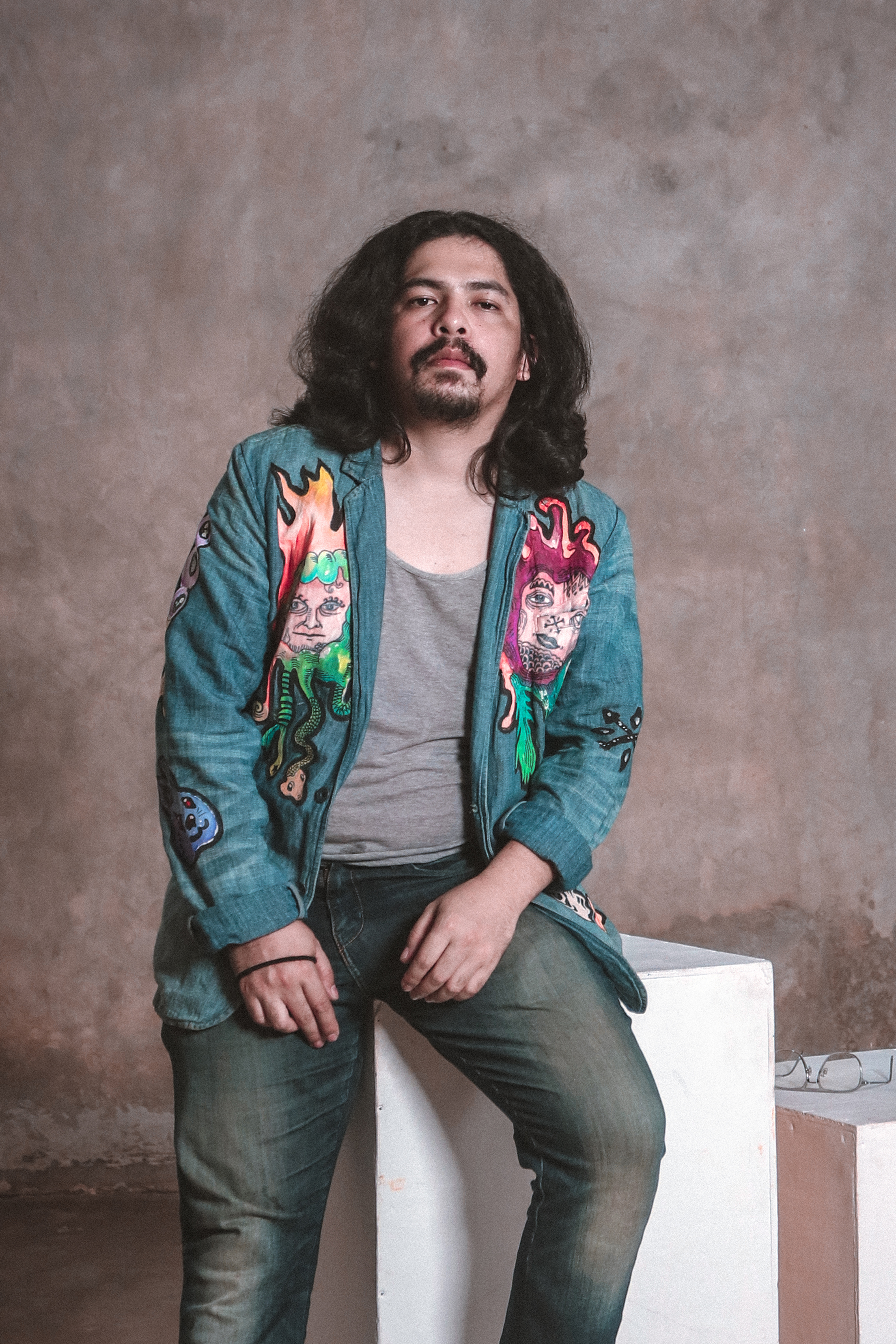
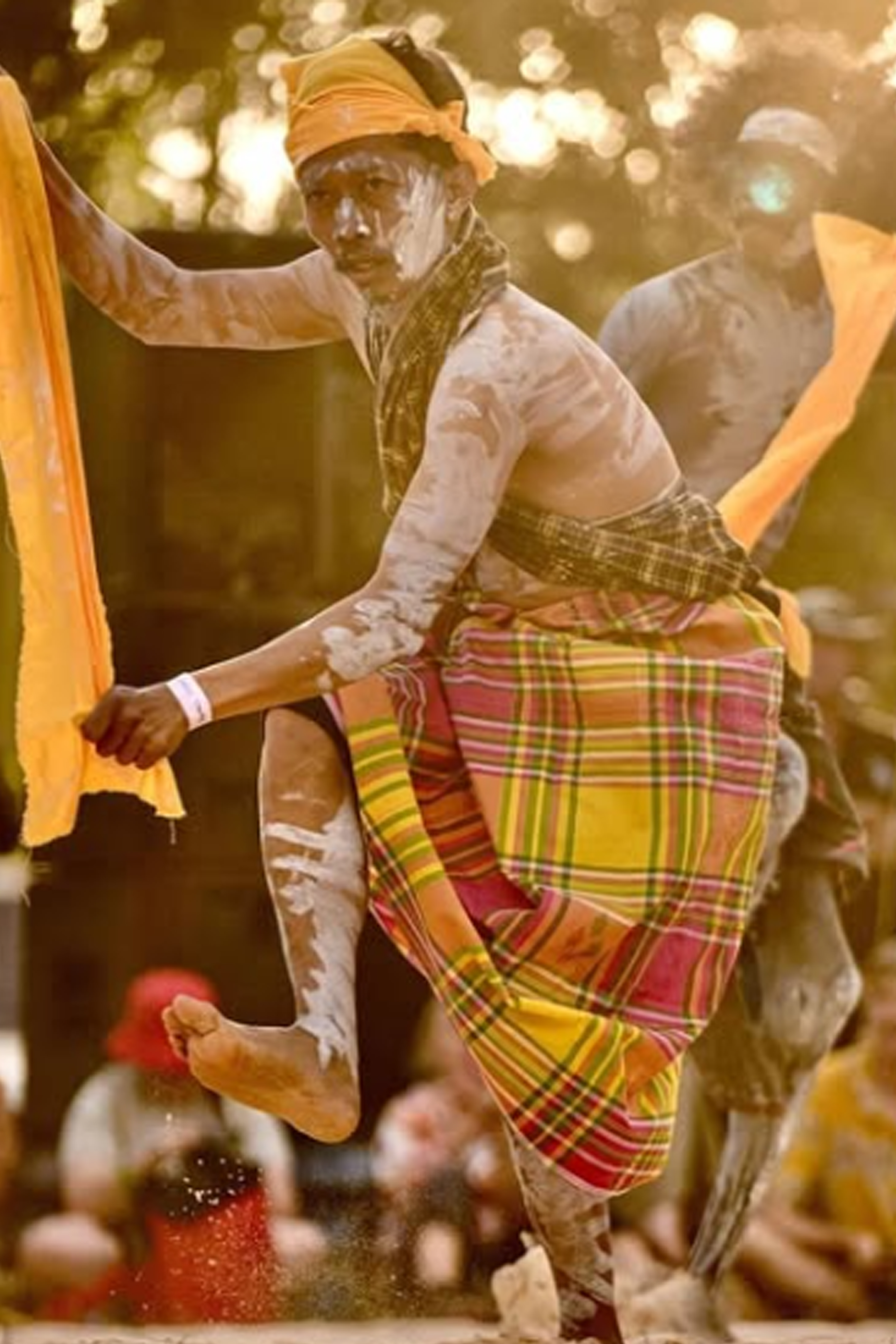
theater actor, community arts facilitator
Kristian Sihite
Documentary photographer

Kristian Sihite (b.1995) is a documentary, fine art, photographer based in Yogyakarta (Indonesia). Kristian studied photography at Indonesisan Institute of the Art, Yogyakarta. Kristian Sihite work is deeply rooted in the documentary tradition. He shoots long-term documentary projects exploring issues around social policy, identity, culture and community. Known for his intimate portraits and expansive landscape, his work regularly combines these elements with reportage approaches to storytelling, often working collaboratively with others to incorporate words, pictures and audio in a research-based practice that weaves a narrative between contemporary experience and history.

Media: Photography.
Abdi Karya
Multidisciplinary artist, Programmer, and Curator

Abdi Karya's artistic practice is deeply rooted in traditional Indonesian culture, particularly Bugis- Makassar in South Sulawesi, integrating philosophy, mythology, and custom into his choreographic, theatrical works, performances, and installations. One of his primary sources is I La Galigo, a 13th- century epic that tells the origins of the Bugis people and remains alive in the daily practices of traditional families. For Abdi, family traditions and narratives are not artifacts of the past, but rather dynamic perspectives for interpreting contemporary realities. Since 2001, Abdi has worked with sarongs, initially as costumes and stage elements in theater and dance productions. His encounters with traditional elders and cultural leaders in Sulawesi opened new awareness of the potential of the sarong as an artistic medium. Since then, he has continued to explore textiles as a bridge between various layers of social issues, memories, and narratives. He interprets the sarong, a crucial element of the culture, as a “second body” for the body, a metaphor for the human relationship with time, space, circumstances, and the cycle of life. In his practice, Abdi works as an independent artist in South Sulawesi and beyond. Later in Yogyakarta, he is being part of the collective Kultura Collectiva and various arts networks within Indonesia, Australia and Nordic nation.

For over a decade, Abdi has also developed a long-term collaboration with Aboriginal artists from Northern Australia to explore the shared history of Makassans and Yolŋu peoples through the trade of sea cucumber in 1600-1900's. Through storytelling, performance, and ritual, this collaboration revitalizes cultural continuities across regions. For Abdi, contemporary art is a crucial medium for bridging cultures, reactivating forgotten narratives, and affirming the importance of cross-cultural dialogue rooted in memory, indigenous knowledge, and the continuity of tradition in a changing world.

Media: writing, field research.
Riki Maulana
Contemporary photographer, Alternative Process

Riki uses a gum oil printing process, developing the exploration and experimentation of his uni final project with the same technique. He is drawn to its inherent characteristic similarities to faded old photographs: grainy textures, partial focus, and also the human imperfections we can see in the traces of brushstrokes. Images emerge from the paper like half-remembered dreams, resisting sharp clarity evoking the subjective nature of memory.

Media: Alternative Printing Process, Photographs.